
Hot water advice
No Hot Water Pressure? It Could Be Your Cylinder
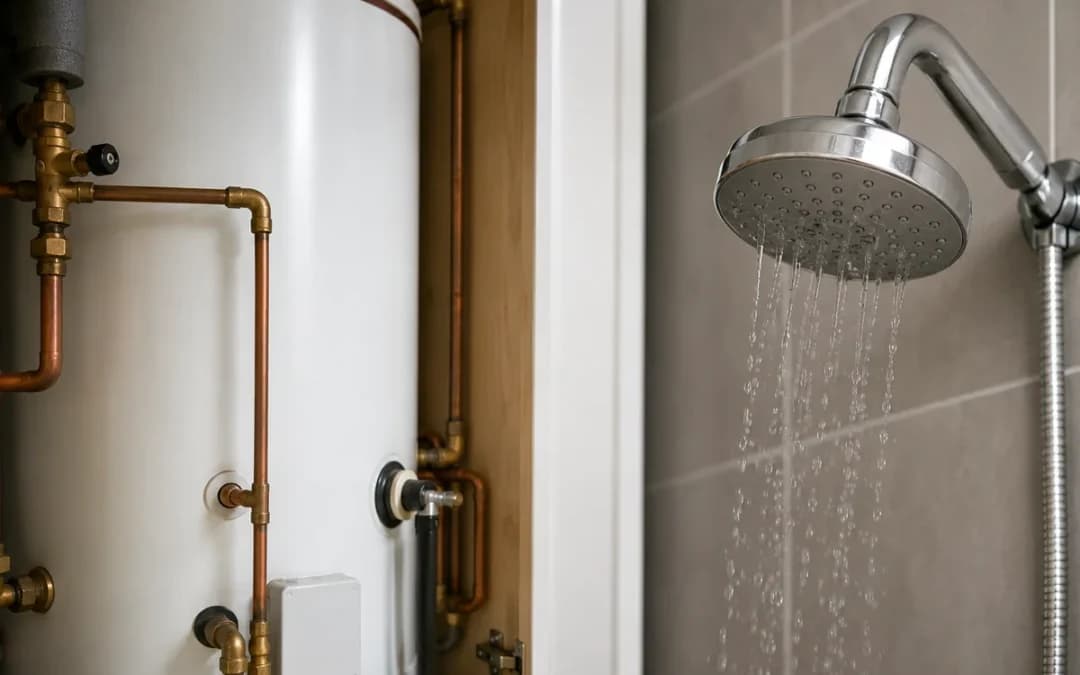
No hot water pressure can disrupt a normal morning quickly. The shower turns into a weak dribble, the bath takes far too long to fill, or one hot tap stops running properly while the cold water still seems fine.
The cylinder could be involved, but it is not the only possible cause. Low hot water pressure can come from a blocked tap or shower head, a partially closed valve, restricted pipework, low mains pressure, a cold water storage tank issue, a boiler fault, or a problem with the hot water cylinder itself.
The quickest way to narrow it down is to check where the pressure loss is happening. One slow tap usually points to a problem with that tap or shower. Several weak hot outlets suggest the cause is further back in the hot water system. If both hot and cold water are poor, the issue may be with the mains supply, stop tap, shared pipework, or a pressure-reducing valve.
Is It One Outlet or the Whole House?
Before assuming you have a cylinder problem, check whether the issue affects one tap or shower, or every hot outlet in the property.
If only one tap, bath, or shower is affected, the problem is usually close to that outlet. Common causes include:
- A blocked tap aerator
- Limescale in the shower head
- A faulty mixer tap
- A thermostatic shower cartridge problem
- A local isolation valve that is partly closed
- A restriction in the pipework serving that one outlet
A tap aerator is the small mesh fitting at the end of some taps. A shower cartridge is the part inside a mixer shower that helps control flow and temperature. Both can restrict hot water if they become blocked, affected by limescale, or faulty.
If every hot tap is weak, the cause is usually further back in the system. The cylinder feed or outlet, valves, hot pipework, cold water storage tank, boiler, or incoming supply may need checking.
Why Is My Hot Water Pressure Low but My Cold Water Is Fine?
If your cold water pressure is normal but your hot water is weak across several outlets, the issue is more likely to be within the hot water side of the system.
That might point towards:
- A hot water cylinder feed issue
- A restriction in the hot pipework
- A partially closed or failed valve
- A cold water storage tank problem in a vented system
- A pressure issue with an unvented cylinder
- A boiler issue if you have a combi boiler
- A shower mixer problem if only one shower is affected
Strong cold water suggests the incoming supply may be fine. Weak hot water across the house suggests the problem begins after the water enters the hot water system.
If you are comparing taps, use similar outlets where possible. A kitchen mixer tap, bathroom basin tap, bath tap, and shower can all behave differently because of their fittings and internal parts.
Can Low Water Pressure Affect Hot Water?
Yes. Low water pressure can affect hot water, but how it happens depends on your system.
In a combi boiler system, hot water is heated directly from the mains. If the incoming mains pressure or flow rate is poor, the hot water can also be weak.
In an unvented cylinder system, hot water is also closely linked to mains pressure and system controls. An unvented cylinder is a pressurised hot water cylinder that connects directly to the cold mains. If there is low mains pressure, a fault with pressure controls, or a restriction in the system, hot water performance can drop.
In a vented cylinder system, the hot water cylinder is usually fed by a cold water storage tank, often in the loft. If that tank is not filling properly, if the feed pipe is restricted, or if a valve is closed, the hot water flow can slow down or stop.
If both hot and cold water are poor, the issue is likely to involve the incoming supply, stop tap, shared pipework, or mains pressure. If the cold water is fine but the hot water is weak, focus on the hot water system.
What Are Hot Water Cylinders?
Hot water cylinders store heated water so it is ready when you need it. They are commonly found in airing cupboards, utility rooms, garages, lofts, or other service spaces.
There are two main things to understand: how the cylinder is fed and how the water is heated.
Vented Cylinders
A vented cylinder is usually fed by a cold water storage tank. The tank is often higher up in the property, such as in a loft, and gravity helps move water through the hot water system.
Low pressure from a vented cylinder can happen if the cold water storage tank is not filling, the feed pipe is restricted, a valve is partly closed, or the system was not designed to give strong flow to certain outlets.
Unvented Cylinders
An unvented cylinder is mains-fed and pressurised. It can give stronger hot water flow than many older vented systems, but it also has safety components such as valves and expansion controls.
If you suspect low pressure from an unvented cylinder, do not adjust safety valves or pressure controls yourself. Unvented cylinders should be checked and worked on by someone with the right qualification. Willow Services holds a G3 Unvented qualification for this type of hot water system work, and Building Regulations Approved Document G gives official guidance on hot water safety and water systems in England.
Direct and Indirect Cylinders
A direct cylinder heats water inside the cylinder, often using immersion elements. An indirect cylinder is heated by another heat source, usually a boiler, through a coil inside the cylinder.
This matters because poor hot water can mean different things. Sometimes the water flow is weak. Sometimes the flow is fine, but the water is cold. Those are different problems.
When Could the Cylinder Be Causing Low Hot Water Pressure?
The cylinder could be linked to low hot water pressure if several hot outlets are affected, the cold water seems normal, and the issue cannot be explained by a single tap, shower, or local valve.
Cylinder-related causes can include:
- Limescale, sediment, or debris restricting parts of the system
- A feed or outlet valve problem
- Poor flow from an older vented cylinder setup
- Faulty unvented cylinder components
- A cylinder that is not suitable for the household’s hot water demand
- A cylinder that is not recovering or supplying enough usable hot water
- Pipework or design issues around the cylinder
Limescale can be a particular problem in hard water areas. It can collect in taps, shower heads, valves, pipework, and hot water components, which can make the flow weaker over time.
If your current system is old, leaking, undersized, or no longer giving the household reliable hot water, Willow Services can advise on repairs, upgrades, or professional hot water cylinder changes. Diagnosis should come first, though. Poor pressure does not automatically mean replacement.
Why Is My Cold Water Tank Not Filling Up?
In a vented hot water system, the cold water storage tank often feeds the hot water cylinder. If that cold water tank is not filling properly, your hot water flow may become weak or stop altogether.
Possible causes include:
- A faulty float valve
- A stuck ball valve
- A closed or partially closed feed valve
- A blockage in the feed pipe
- A mains supply issue
- An airlock or plumbing restriction
A float valve, sometimes called a ball valve, controls water entering the tank. If it sticks or fails, the tank may not refill properly.
Do not climb into loft spaces or work around tanks if access is unsafe. If the tank is hard to reach, the pipework looks worn, or you are not sure what you are looking at, call a plumber.
Why Has My Hot Water Pressure Dropped All of a Sudden?
A sudden drop usually means something has changed. The cause may be simple, but it is worth investigating if several outlets are affected.
Common causes include:
- A valve has been moved during cleaning, maintenance, or plumbing work
- Recent plumbing work has caused an airlock
- A tap aerator, shower head, or filter has become blocked
- A new leak has developed
- A pressure-reducing valve has failed or become restricted
- The boiler has developed a fault
- The cylinder feed has been affected
- The cold water tank is not refilling
- There is a mains supply disruption in the area
Before calling Willow Services, make a note of a few details:
- Is it one outlet or several?
- Is the cold water pressure normal?
- Did the issue start suddenly or gradually?
- Is the water cold, slow, or not flowing at all?
- Are there leaks, water stains, banging pipes, or boiler fault codes?
- Has any plumbing work happened recently?
These details help a plumbing and heating engineer narrow down the likely cause more quickly.
Why Is There No Hot Water Coming Out of the Tap?
“No hot water” can mean two different things: no water flow, or water that flows but stays cold.
If no water comes from one hot tap, it may be a tap fault, blocked fitting, local valve, or pipe restriction.
If no water comes from every hot tap, the issue may be further back in the system. A closed valve, airlock, cold water storage tank issue, cylinder feed problem, or wider pipework restriction could be involved.
If water flows but stays cold, the problem is more likely to involve the boiler, immersion heater, programmer, thermostat, controls, or the way the cylinder is being heated.
This distinction matters for landlords and property managers too. A tenant saying “there is no hot water” may mean there is no heat, no flow, or only weak flow. Ask what happens at the tap before booking the wrong type of repair.
For rental properties, Willow Services also provides landlord plumbing and heating support for hot water issues that need investigating quickly and safely.
How to Increase Hot Water Pressure From a Cylinder
The right way to increase hot water pressure from a cylinder depends on whether the system is vented or unvented.
Safe checks include:
- Check whether one outlet or every hot outlet is affected
- Compare hot and cold flow
- Clean simple blockages, such as tap aerators and shower heads
- Check accessible valves are fully open, but only if they are safe and clearly identifiable
- Look for leaks, damp patches, or water stains near the cylinder and pipework
A professional may check the cylinder feed, outlet valves, pressure-reducing valve, cold water storage tank, pipework restrictions, expansion vessel, safety controls, and overall system layout.
If you have an unvented cylinder, do not adjust safety valves, expansion parts, or pressure controls yourself. If a pressurised cylinder needs repair or replacement, it should be handled by someone with the right qualification.
Sometimes a repair or adjustment is enough. In other cases, a wider heating and hot water upgrade may make more sense, especially if the current system is old, unreliable, or no longer suitable for the household.
What You Can Safely Check Yourself
You can do a few simple checks before booking help:
- Check whether the issue affects one tap, one shower, or the whole property
- Compare hot and cold water at different outlets
- Clean shower heads and tap aerators if they are easy to remove
- Check the main stop tap is fully open, if it is accessible and safe to use
- Look for obvious leaks, damp patches, or water stains
- Check whether your boiler is showing a fault code
- Ask neighbours if both hot and cold water pressure seem poor, as there may be a local mains issue
Keep the checks simple. Do not remove boiler covers. Do not adjust gas components. Do not tamper with unvented cylinder safety valves, expansion vessels, or pressure controls.
For gas safety, use a properly qualified professional. The Gas Safe Register online database is the official place to check gas engineers and gas businesses.
When to Call a Plumber or Heating Engineer
Call a qualified plumber or heating engineer if any of the following apply:
- Low hot water pressure affects several outlets
- The pressure dropped suddenly
- You have leaks, water stains, or banging pipework
- The hot water temperature keeps changing
- The boiler shows repeated faults
- You suspect an unvented cylinder problem
- The cold water storage tank is not filling
- Simple checks do not identify the cause
Willow Services supports homeowners, landlords, and letting agents with plumbing and heating work across Peterborough, Cambridge, and the surrounding areas. The team can help diagnose whether the problem sits with a tap or shower, the pipework, boiler, cylinder, valves, or wider hot water system.
Need Help With No Hot Water Pressure?
If your hot water pressure has dropped suddenly, affects more than one outlet, or comes with leaks, noises, boiler faults, or temperature changes, it is worth getting the issue checked before it becomes more disruptive.
At Willow Services, we help with plumbing, heating, hot water systems, cylinder checks, and cylinder changes. We will look at the symptoms, explain what is likely happening, and advise whether the right next step is a repair, adjustment, upgrade, or replacement.
For practical support from a local plumbing and heating engineer, arrange a professional hot water inspection or call 01733 590501.
Frequently Asked Questions
Why is my hot water pressure low but my cold water pressure is fine?
If your cold water pressure is fine but your hot water is weak across several outlets, the issue is likely on the hot water side of the system. Common causes include a problem with the hot water cylinder feed, a restriction in the hot pipework, a partially closed or failed valve, a cold water storage tank issue in a vented system, an unvented cylinder pressure issue, or a boiler issue if you have a combi boiler.
Why is my hot water pressure low in the shower but fine at the taps?
If the shower is weak but the taps are fine, the problem is usually local to the shower rather than the wider hot water system. Possible causes include limescale in the shower head, a blocked filter, a faulty thermostatic cartridge, a mixer valve issue, a partly closed isolation valve, or a restriction in the pipework serving that shower.
Can limescale cause low hot water pressure?
Yes. Limescale can build up in tap aerators, shower heads, valves, pipework, and other hot water components, especially in hard water areas. It restricts flow and can gradually reduce hot water pressure. You may be able to clean simple fittings, but a plumber should check deeper restrictions.
Can a boiler cause low hot water pressure?
Yes, depending on your system. In a combi boiler setup, hot water is heated directly from the mains, so low incoming pressure, a boiler fault, or a restriction through the boiler can reduce hot water flow. If the water flows normally but stays cold, the issue is more likely to be the boiler itself or its controls, such as the thermostat, programmer, or other heating parts, rather than water pressure.
Can a hot water cylinder cause low water pressure?
Yes. A cylinder can be linked to low hot water pressure if several hot outlets are affected and the cold water pressure seems normal. Possible causes include a feed or outlet valve issue, limescale or debris restricting flow, poor performance from an older vented setup, faulty unvented cylinder parts, unsuitable system design, or a cylinder that cannot meet the household’s hot water demand.
Why is my hot water pressure worse upstairs?
Hot water pressure can be worse upstairs because pressure or flow may drop by the time water reaches higher outlets. In a vented cylinder system, upstairs performance can be affected by the height of the cold water storage tank, the feed pipe, valves, and overall pipework design. In mains-fed systems, low mains pressure, restrictions, or faulty pressure controls can also show up more noticeably at showers and other upstairs outlets.
What is the difference between a vented and unvented hot water cylinder?
A vented cylinder is usually fed by a cold water storage tank, often in the loft, with gravity moving water through the hot water system. An unvented cylinder is mains-fed and pressurised, so it can often provide stronger flow, but it includes safety parts such as valves and expansion controls. Unvented cylinders should only be checked or repaired by someone with the right qualification.
Can a cold water storage tank cause low hot water pressure?
Yes. In a vented hot water system, the cold water storage tank often feeds the hot water cylinder. If the tank is not filling properly, the float valve is faulty, a feed valve is closed, or the feed pipe is blocked, hot water flow can become weak or stop altogether.
Can I increase my hot water pressure myself?
You can do a few simple checks yourself, such as comparing hot and cold flow, checking whether the issue affects one outlet or the whole property, cleaning tap aerators and shower heads, looking for leaks, and making sure any accessible valves are fully open, but only if they are safe and clearly identifiable. Do not remove boiler covers or adjust unvented cylinder safety valves, expansion vessels, or pressure controls.
When should I call a plumber for low hot water pressure?
Call a plumber or heating engineer if low hot water pressure affects several outlets, drops suddenly, or comes with leaks, water stains, banging pipes, changing temperatures, boiler fault codes, a cold water tank problem, or a suspected unvented cylinder issue. It is also worth getting help if simple checks do not identify the cause.
Need Help with Your Heating or Plumbing?
Speak to the Willow Services team for clear advice and a quote for your home.